Common EV Charger Problems and When You Need a Repair
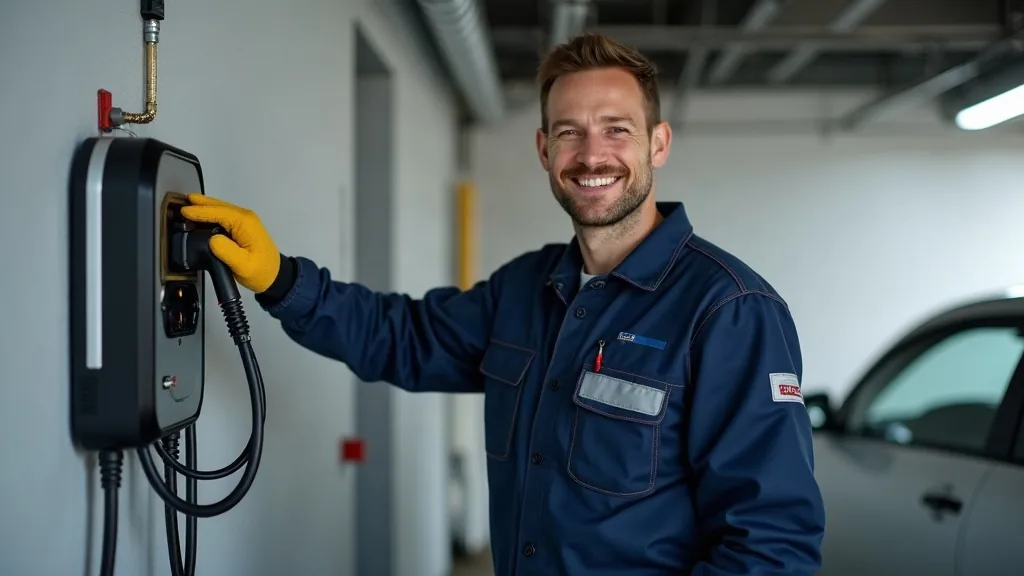
EV charging problems are more common than most electric vehicle owners expect, and they can range from a minor inconvenience to a sign of a serious electrical issue in your home. One day your charger works perfectly, and the next it refuses to start a session, stops mid-charge, or throws an error code you've never seen before. Understanding what's behind these failures can save you time, money, and frustration.
In this guide, the pro will walk through the most typical EV charger malfunctions, explain the power-related causes that often go overlooked, and help you figure out when a professional repair is the right call. Whether you're dealing with a Level 1 trickle charger or a hardwired Level 2 unit, the information here applies to most home charging setups.
The pro will also cover what EV charger repair typically costs, when surge protection becomes essential, and what steps you can actually take yourself before calling an electrician. By the end, you'll have a clear picture of what's wrong and what to do next.
The Most Common EV Charging Problems Homeowners Face
EV charging problems generally fall into a few predictable categories: the charger won't power on, charging starts but stops unexpectedly, the vehicle charges slower than normal, or an error code appears on the unit's display. Each symptom points to a different root cause, and diagnosing them correctly is the first step toward a fix.
One of the most frequent culprits is a tripped circuit breaker. Level 2 chargers draw a significant amount of current — typically 30 to 50 amps — and if your electrical panel isn't properly sized for that load, the breaker will trip to protect your wiring. Resetting the breaker might restore charging temporarily, but repeated trips are a warning sign that your circuit needs professional attention. Similarly, a loose or corroded connection at the outlet, the charger itself, or inside the panel can interrupt the flow of power and cause intermittent failures.
Software and communication errors are another growing category of EV charger issues. Modern smart chargers communicate with your vehicle using a protocol called OCPP or similar standards, and a firmware glitch, Wi-Fi dropout, or app error can prevent a session from starting even when the hardware is perfectly functional. In these cases, a factory reset or firmware update resolves the problem — but if basic troubleshooting steps don't work, it's time to look deeper.
Power-Related Causes Behind a Broken EV Charger
Why are so many EV chargers broken? Often the charger itself is fine — the real problem lies in the home's electrical system. Voltage fluctuations, power surges, and inadequate wiring are among the leading causes of charger damage and premature failure. A surge caused by a lightning strike, a utility switching event, or even a large appliance cycling on can send a damaging spike through your charging circuit that fries the internal electronics of the unit.
This is exactly why Whole House Surge Protection is strongly recommended for any home with an EV charger installed — it acts as the first line of defense against the kind of electrical events that shorten equipment life and lead to costly replacements. Without it, your charger is exposed every time there's a fluctuation on the grid.
Undersized or aging wiring is another hidden cause. Many older Lawton homes were built long before EV charging was a consideration, and the existing wiring may not support the sustained high-amperage draw a Level 2 charger requires. Over time, this can cause wiring to overheat, insulation to degrade, and connections to fail — all of which are hazardous conditions that go well beyond a simple charger issue.
Can a Charger Be Repaired, and What Does EV Charge Repair Cost?
The good news is that yes, in many cases a charger can be repaired rather than replaced. Whether the fix is worthwhile depends on the age of the unit, the nature of the fault, and the cost of parts. A failed contactor, damaged cable, or faulty GFCI module can often be replaced at a fraction of the cost of a new charger. However, if the main control board is burned out — often the result of a power surge — replacement of the unit may be the more economical path.
For a professional EV Charger Repair, homeowners in the Lawton area can generally expect diagnostic fees starting around $75–$150, with total repair costs ranging from $100 to $400 depending on what's needed. A full charger replacement with installation typically runs $500–$1,200 including labor. Getting a proper diagnosis first is always the smarter move — you may be looking at a simple fix rather than a full swap.
As for how to fix an EV charger yourself, there are limited safe options. You can reset the unit, check the breaker, inspect the charging cable for visible damage, and update firmware through the manufacturer's app. Anything beyond that — opening the unit, testing wiring, or replacing components — should be handled by a licensed electrician. EV chargers operate at voltages that are genuinely dangerous, and DIY electrical work on a dedicated circuit can void warranties and create code violations.
Frequently Asked Questions
Need Help? Contact Lawton Electricians
Local pros are available in Lawton — get a quote today