How Does EV Charging Actually Work at Home?
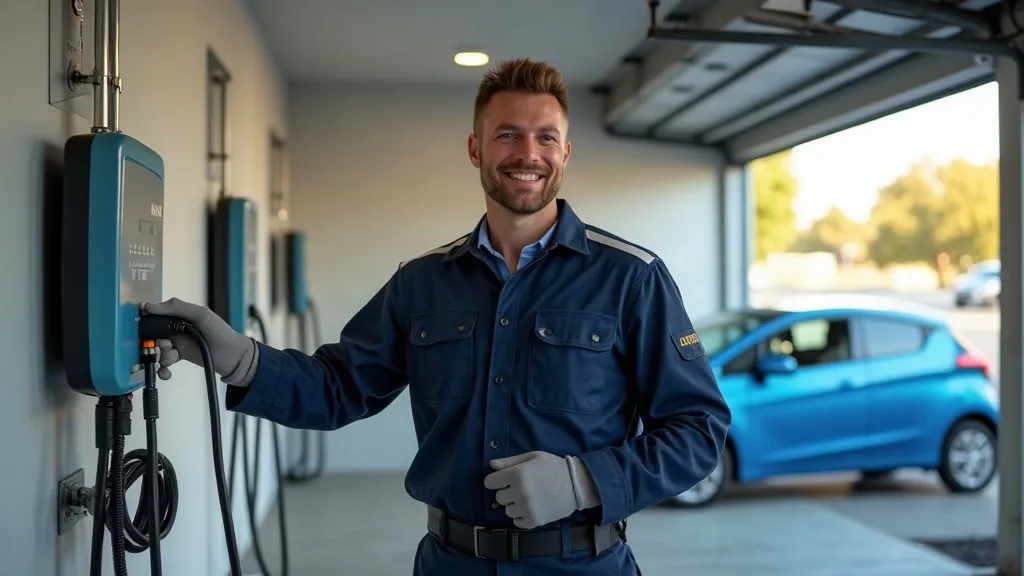
More homeowners in Lawton are making the switch to electric vehicles, and one of the first questions that comes up is: how do ev chargers work? It sounds technical, but the core idea is straightforward — your EV charger is essentially a controlled power delivery system that converts electricity from your home's grid into a form your car's battery can store. Understanding the basics before you invest in hardware can save you money, frustration, and a few surprised looks at your electric bill.
In this guide, the pro will walk you through what EV charging actually is, the different charger levels, key terminology, and what to expect from a home installation. Whether you've just purchased your first electric vehicle or you're still in the research phase, this article is designed to give you a clear, jargon-free picture of home EV charging technology.
By the time you finish reading, you'll know the difference between Level 1 and Level 2 charging, what an EVSE is, how your car's onboard charger plays a role, and what questions to ask before having a unit installed at your home.
How Do EV Chargers Work? The Basic Technology Explained
At its core, EV charging is about moving electricity from your home's electrical system into your vehicle's battery pack. When people ask how do ev chargers work, the answer starts with understanding that the device plugged into your wall — called an Electric Vehicle Supply Equipment (EVSE) — doesn't actually charge your car directly. Instead, it delivers AC (alternating current) power safely to your vehicle, and your car's onboard charger converts that AC into the DC (direct current) power that the battery stores. The EVSE is essentially a smart, safety-monitored power conduit.
The EVSE communicates with your vehicle through the charging cable, verifying that a safe connection has been established before electricity begins to flow. This handshake process is a built-in safety feature — the unit won't deliver power until the car signals it's ready. Many modern EVSE units also include Wi-Fi connectivity, scheduling features, and energy monitoring, so you can charge during off-peak hours and keep tabs on your usage.
The speed at which your battery fills depends on two things working together: how much power the EVSE can supply, and how much power your car's onboard charger can accept. Even if you install a high-powered charger, your vehicle's onboard charger sets the ceiling on how fast it will actually charge. This is why matching your charger to your vehicle's specifications matters.
What Is EV Charger Type? Understanding Level 1 and Level 2
When shopping for home charging equipment, you'll quickly run into the terms Level 1 and Level 2. These describe the voltage and speed at which your vehicle charges, and they represent very different experiences. Level 1 charging uses a standard 120-volt household outlet — the same type used for a lamp or a phone charger. It requires no special wiring, but it's slow, typically adding only 3 to 5 miles of range per hour. For most EV drivers, this simply isn't practical as a primary charging method.
Level 2 charging operates on 240 volts, the same voltage used by large appliances like electric dryers. A Level 2 charger can add anywhere from 15 to 30 miles of range per hour, depending on your vehicle and the charger's amperage rating. This means most EVs can fully recharge overnight, making Level 2 the practical standard for home use. If you're ready to move forward with a proper setup, you can learn more about the process on our EV Charger Installation service page.
You may also hear about Level 3 or DC Fast Charging (DCFC). These are commercial-grade systems found at public stations and are not suitable for residential installation — they require three-phase industrial power and a significant infrastructure investment. For home use, Level 2 is the sweet spot between speed, cost, and practicality.
How to Use an EV Charger at Home: What the Process Actually Looks Like
Using a home EV charger day-to-day is genuinely simple once the unit is installed. You plug the charging cable into your vehicle's charge port, and the EVSE and car begin their safety handshake automatically. Within seconds, charging begins — many vehicles display a progress indicator on their dashboard or in a companion app. Most EV owners simply plug in when they get home, just as they would a smartphone, and wake up to a full battery.
Many Level 2 chargers include scheduling features through a mobile app. This is particularly useful in Lawton because you can set your car to charge during overnight hours when electricity rates may be lower. Some utility companies offer EV-specific rate plans that make off-peak charging even more cost-effective. Your electrician can also discuss dedicated circuits and panel capacity during installation to ensure the setup is both safe and efficient.
Maintenance requirements are minimal. Keep the connector clean and dry, inspect the cable periodically for damage, and follow the manufacturer's guidelines for software updates if your unit is a smart charger. A properly installed home charger from a licensed electrician should serve you reliably for many years.
Frequently Asked Questions
Need Help? Contact Lawton Electricians
Local pros are available in Lawton — get a quote today