01
How Much Does Garage or Shop Wiring Cost in Lawton?
subpanel costoutlet installation
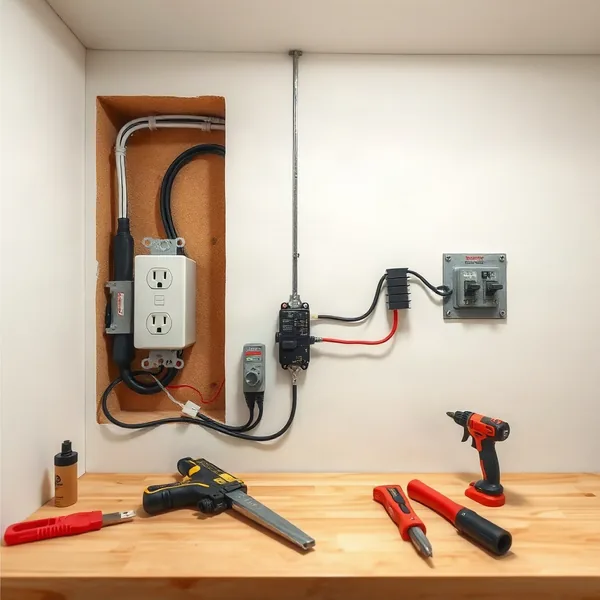
Garage and shop wiring in Lawton typically runs between $1,500 and $5,500, and the two biggest cost drivers are subpanel cost and how many outlets you need installed.
A single-car garage with a new 60-amp subpanel, six standard outlets, and basic lighting usually lands between $1,500 and $2,800. Step up to a 100-amp subpanel with twelve or more outlets, a dedicated 220V circuit, and overhead lighting — common in a working shop — and the project often falls between $3,000 and $5,500. Each outlet installation adds roughly $75 to $150 in labor and materials. Always ask for an itemized quote so subpanel cost, circuit runs, and outlet installation are listed separately.
02
What Size Subpanel Does Your Shop Actually Need?
60-amp subpanel100-amp subpanel
The right subpanel size depends almost entirely on which tools you plan to run simultaneously.
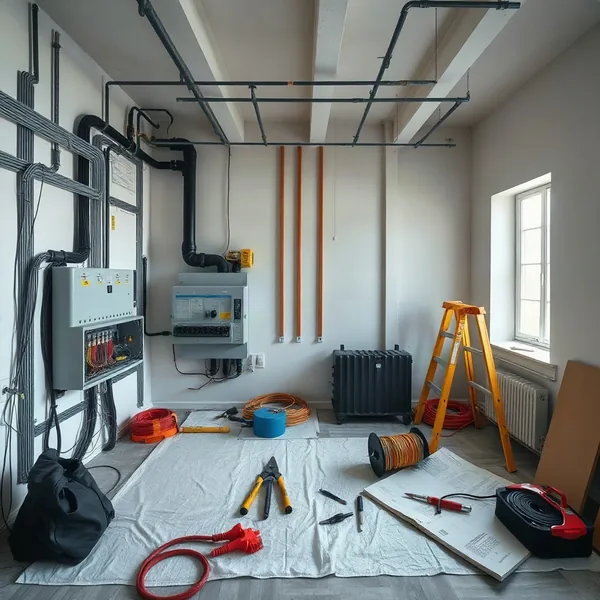
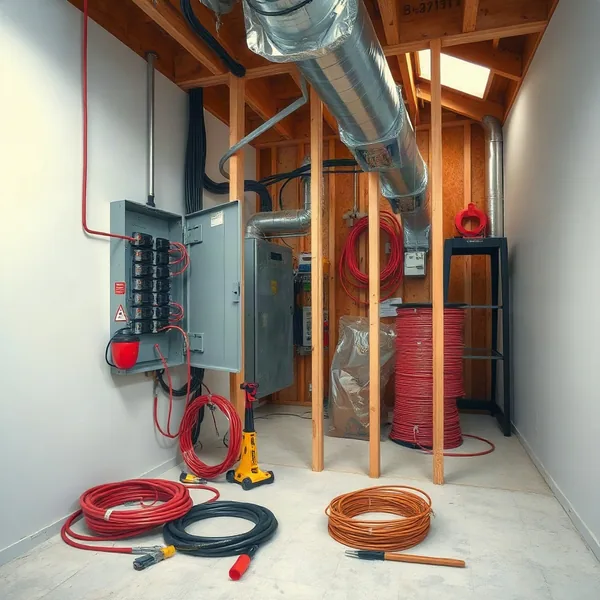
A 60-amp subpanel covers a modest setup — bench grinder, basic lighting, a small drill press — when you're only running one tool at a time. Most working shops need a 100-amp subpanel, which gives you room for a welder, a dust collector, and a table saw all on separate circuits without tripping breakers. Upgrading from a 60-amp to a 100-amp subpanel at the time of initial installation usually adds only $150 to $350 to the overall project cost — far less than returning later. A licensed Lawton electrician will calculate your actual load in amps before recommending a size.
03
Wiring a Garage for 220V Power Tools
220V circuitwelder outletair compressor
Most serious shop tools demand a dedicated 220V circuit, and trying to run them on a standard 120V line creates both a performance problem and a fire risk.
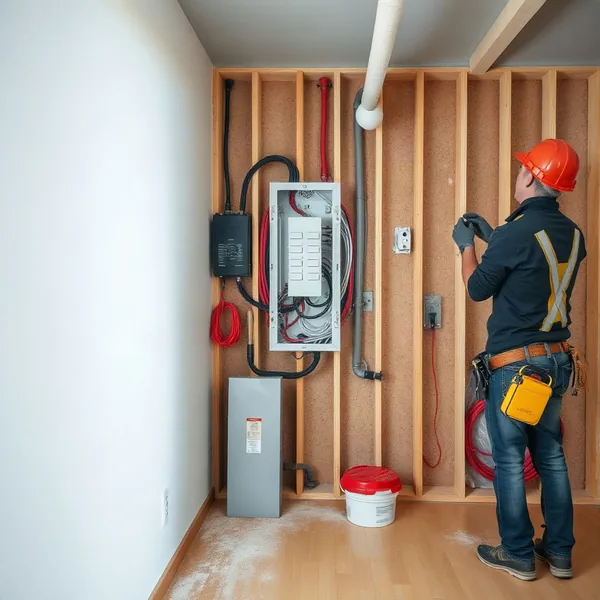
A typical MIG welder requires a 50-amp, 240V circuit wired with 6-gauge wire to a proper welder outlet. A large air compressor commonly needs a dedicated 30-amp 220V circuit. Even a contractor-grade table saw often pulls 15 to 20 amps at 240V under load. Each of these tools gets its own breaker and its own homerun back to the subpanel — never shared. GFCI protection is required by code on any outlet within six feet of a water source, so plan your layout before conduit goes in the wall.
04
Smart Wiring Layout Ideas for a Workshop
outlet spacingoverhead lighting circuit
A well-planned shop layout eliminates extension cord tangles and makes every tool easy to use.
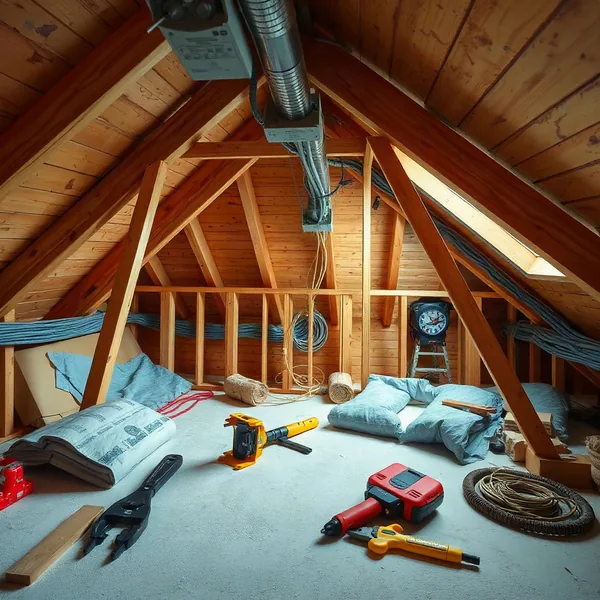
Space 120V outlets every six to eight feet along all walls at bench height — roughly 44 inches off the floor — so you're never stretching a cord across the room. Place dedicated 220V outlet circuits at the exact locations where stationary tools will live permanently; moving a circuit later means reopening walls. Wire a separate overhead lighting circuit for your LED shop lights so a tripped breaker from a tool never leaves you working in the dark. Two independent lighting circuits are even better in a large shop. Surface-mounted conduit along the ceiling perimeter keeps wiring accessible and allows future modifications without major demo work.
05
Wiring a Detached Garage or Standalone Shop
detached structure wiringtrenching for conduit
Detached structure wiring is more involved than an attached garage job because power has to travel underground from your main panel to the outbuilding.
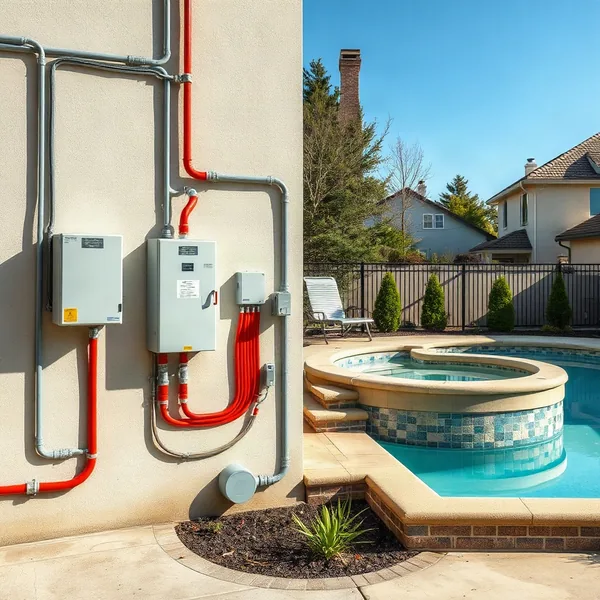
That means trenching for conduit — local Lawton code typically requires rigid or PVC conduit buried at least 18 to 24 inches deep, depending on the wiring method. Trench length is the biggest variable in cost; runs of 50 feet or less are straightforward, while 100-foot-plus runs add several hundred dollars in materials and labor. Once the feed arrives, it terminates in a subpanel inside the detached shop, and all branch circuits — including any 220V outlet for tools — are distributed from there. Permits are required for this work in Lawton, and the electrician handles that process.